Photo credit: UNESCO/Saskia Maitre Pierre
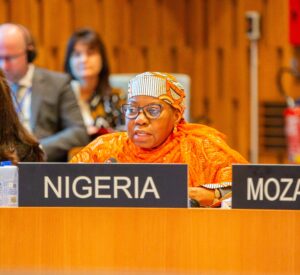
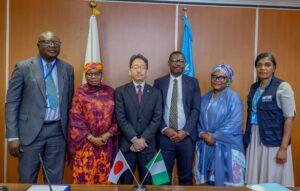
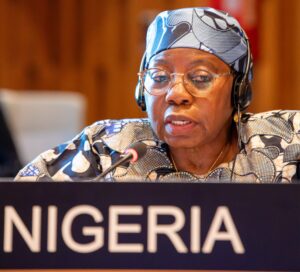
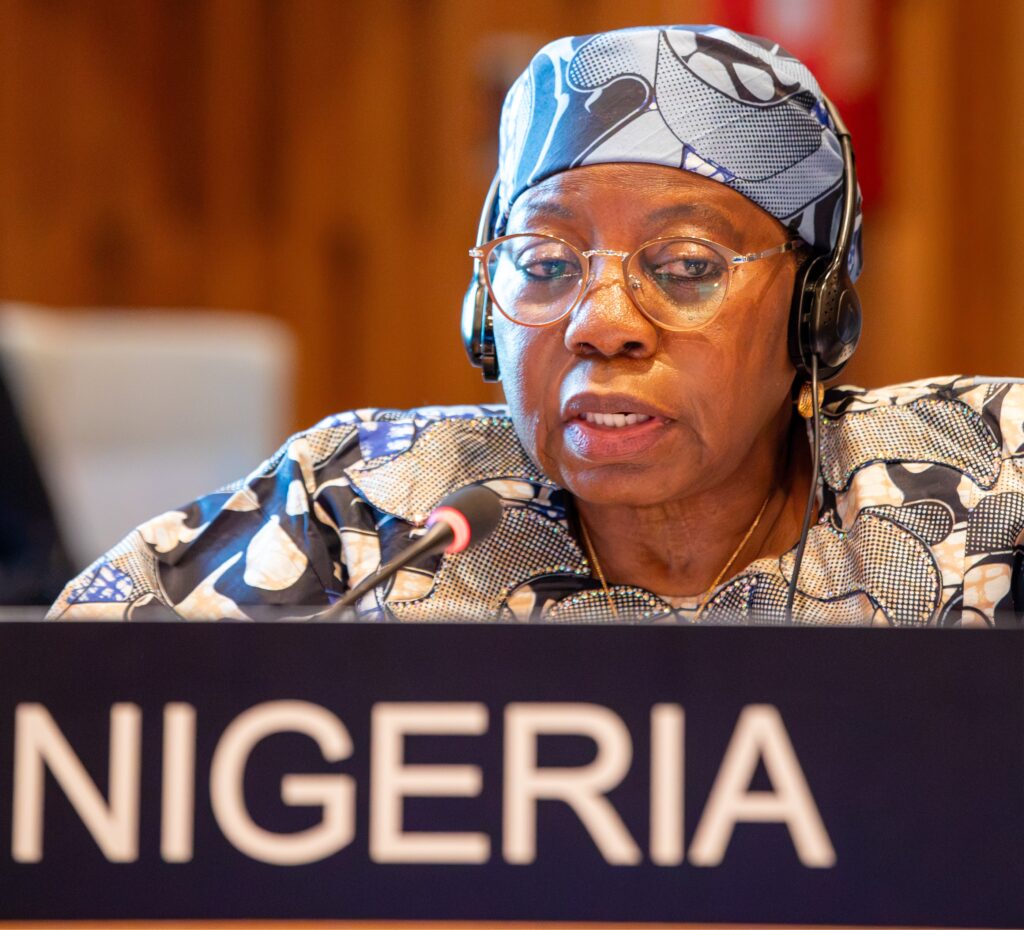
Nigeria’s Ambassador and Permanent Delegate to UNESCO, H.E. Dr. Hajo Sani, OON, delivered Nigeria’s national statement during the Plenary Debate of the 225th Session of the UNESCO Executive Board, addressing key global challenges and outlining Nigeria’s priorities across UNESCO’s areas of competence.
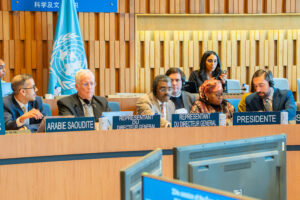
The Executive Board, one of UNESCO’s three constitutional organs, plays a central role in the governance of the Organization, examining UNESCO’s programme of work and budget, reviewing the implementation of decisions and providing strategic direction on issues across education, science, culture, communication and information.
Nigeria continues to play an active role in the work of the Board. At the 225th Session, H.E. Dr. Hajo Sani, OON, serves as Chairperson of the Programme and External Relations (PX) Commission, which examines important programme and policy matters before the Executive Board and contributes to shaping recommendations and decisions within UNESCO’s mandate.
In her national statement, the Ambassador highlighted the growing impact of armed conflicts, economic pressures, climate change, emerging technologies and widening inequalities on international cooperation, emphasizing the need for UNESCO to strengthen its capacity to respond effectively to these challenges.
She outlined Nigeria’s ongoing efforts to expand access to education, strengthen technical and vocational skills through initiatives such as the BEAR III Project, and promote the responsible integration of Artificial Intelligence into education, with particular attention to learner development, privacy and accountability.
Her Excellency also underscored the importance of scientific cooperation, water security, climate resilience, cultural heritage protection and the creative economy. She welcomed ongoing efforts to strengthen UNESCO’s Category 2 Centres in Nigeria, while emphasizing the importance of placing Africa’s growing youth population at the centre of UNESCO’s Priority Africa agenda.
Beyond Nigeria’s national priorities, the intervention reflected the wider importance of effective multilateral cooperation at a time when UNESCO and its Member States are navigating increasingly complex global challenges. The Ambassador stressed the need to ensure that international commitments are translated into practical results that respond to the realities and development priorities of Member States.
On institutional reform, Nigeria called for a UNESCO that is more responsive to Member States, stronger in the field, more accountable and better equipped to translate international commitments into measurable national outcomes.
Concluding her intervention, H.E. Dr. Hajo Sani, OON, emphasized:
“Education must produce capability. Science must solve problems. Culture must strengthen identity and opportunity. Technology must remain human-centred. And reform must improve delivery.”
Nigeria’s participation in the 225th Session, both through its national interventions and its leadership of the PX Commission, underscores the country’s continued engagement in UNESCO’s governance processes and its commitment to advancing the Organization’s mandate through dialogue, cooperation and effective multilateral action.