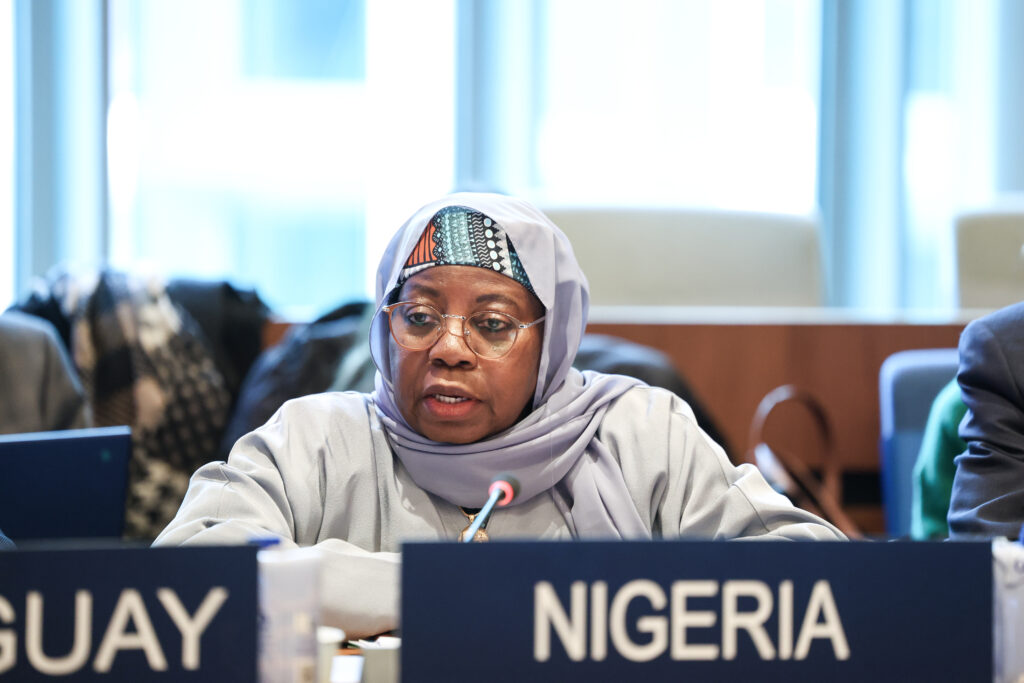
Overview of the Executive Board
The Executive Board is one of UNESCO’s three constitutional organs, responsible for guiding the implementation of the Organization’s programmes and ensuring that decisions of the General Conference are effectively executed. It is composed of 58 Member States, elected by the General Conference every two years from UNESCO’s six regional groups.
In electing members, the General Conference considers:
- Equitable geographical distribution
- Representation of diverse cultures
- Expertise in at least one of UNESCO’s core mandate areas (Education, Natural Sciences, Social & Human Sciences, Culture, and Communication & Information)
Each Member State may serve for a maximum of two consecutive four-year terms.
Mandate and Responsibilities
The Executive Board plays a pivotal role in shaping UNESCO’s strategic direction. Its functions include:
Programme Oversight
- Ensuring the implementation of programmes adopted by the General Conference.
- Monitoring progress and providing guidance to the Secretariat.
Strategic Planning & Budget
- Examining the UNESCO Programme and Budget (C/5) submitted by the Director-General.
- Preparing the agenda of the General Conference and issuing recommendations to guide Member States’ deliberations.
Advisory Role
- Advising the United Nations on behalf of UNESCO between General Conference sessions, particularly on issues previously addressed or clearly guided by Conference resolutions.
Membership & Leadership
- Recommending to the General Conference the admission of new Member States to UNESCO.
- Screening and recommending candidates for appointment to the post of Director-General.
Nigeria’s Election to the Executive Board (2023–2027)
At the 42nd Session of the UNESCO General Conference held in 2023, Nigeria was elected as a Member of the Executive Board with an overwhelming show of support from Member States. This election reaffirmed Nigeria’s long-standing commitment to multilateral cooperation, cultural diplomacy, and international development.
Significance of Nigeria’s Membership
Nigeria’s presence on the Executive Board strengthens the voice of Africa within UNESCO and reinforces the country’s leadership in:
- Education reform and digital transformation
- Protection and promotion of cultural heritage
- Advancement of science, innovation, climate action, and water security
- Youth development, literacy, and social inclusion
- Media development, freedom of expression, and digital readiness
This mandate aligns with the Federal Government’s Renewed Hope Agenda, which prioritizes human capital development, innovation, and global partnerships.
Nigeria’s Contribution to UNESCO’s Priorities
As a Member of the Executive Board, Nigeria is committed to:
- Supporting the implementation of UNESCO’s global programmes across all sectors
- Advocating for Africa’s development priorities within the Organization
- Strengthening South–South cooperation and partnerships
- Promoting inclusive, sustainable, and future-ready education systems
- Leveraging culture and heritage for economic development and peacebuilding
- Advancing digital transformation and equitable access to information
A Shared Commitment to Multilateralism
Nigeria’s election to the Executive Board reflects its unwavering commitment to UNESCO’s founding ideals—peace, dialogue, international cooperation, and the promotion of education, science, culture, and communication as pathways to sustainable development.
Through its active engagement at the Executive Board, Nigeria continues to work collaboratively with the global community to shape a more inclusive, resilient, and knowledge-driven world.