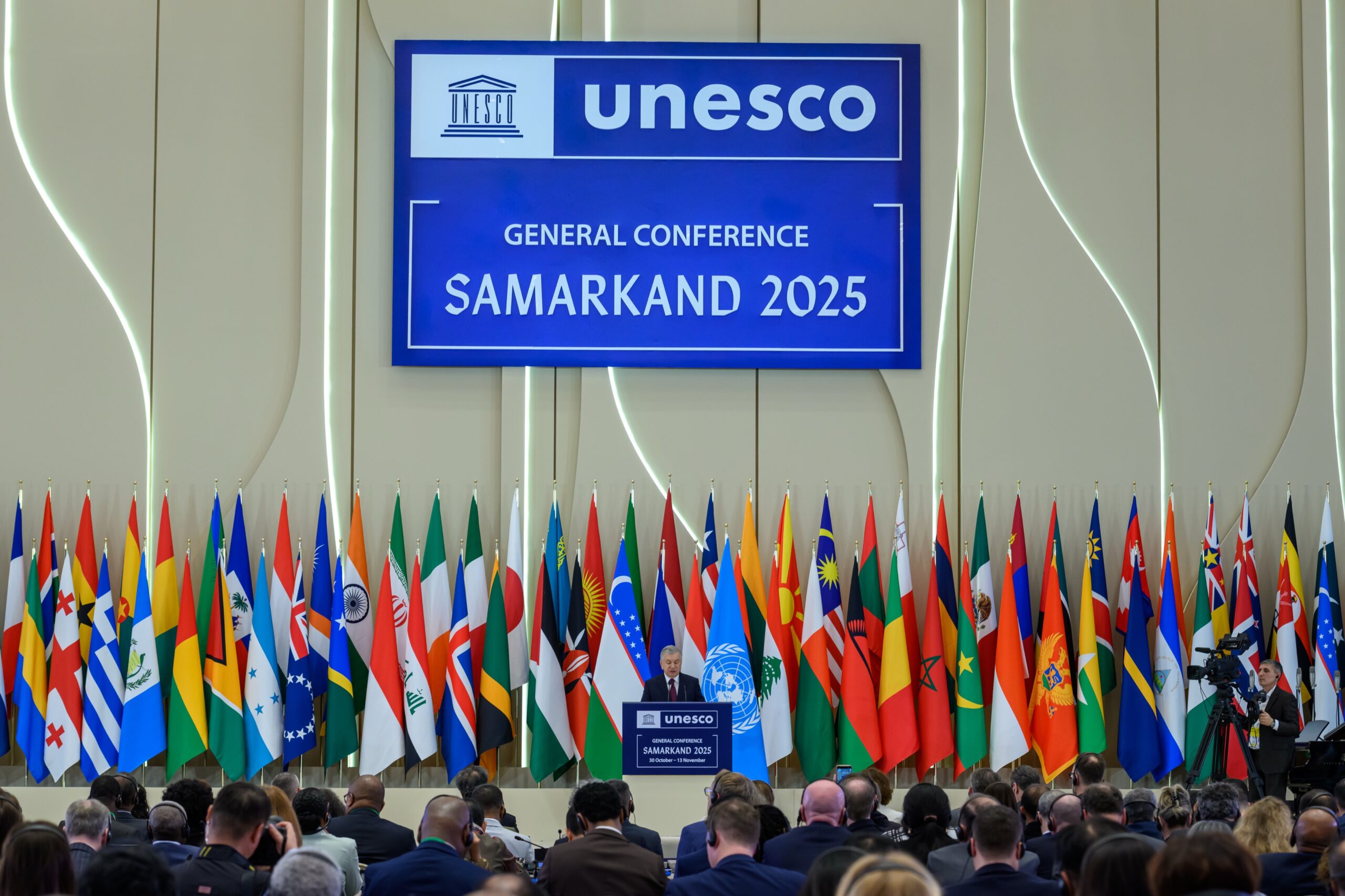
Overview
The General Conference is UNESCO’s supreme policy-making body, bringing together all Member States to define the Organization’s strategic direction, priorities, and global impact. Meeting every two years at UNESCO Headquarters in Paris, the Conference serves as the highest forum for international cooperation in education, science, culture, and communication.
Mandate and Core Functions
The General Conference plays a central role in shaping UNESCO’s vision and long-term orientation. Its key responsibilities include:
- Setting UNESCO’s Strategic Direction
- Debates and approves the Medium-Term Strategy (C/4), which outlines UNESCO’s global vision and priorities over a four-year period.
- Establishes policy orientations for addressing emerging global challenges.
- Approving the Programme and Budget
- Reviews and adopts the Programme and Budget (C/5), which translates strategic objectives into concrete programmes with financial allocations.
- Ensures that UNESCO’s work is coherent, results-oriented, and aligned with Member States’ priorities.
- Strengthening Multilateral Cooperation
- Brings together Ministers, officials, experts, and civil society from all regions to deliberate and build consensus.
- Serves as an international platform for dialogue on major global issues such as education reform, climate action, digital transformation, cultural preservation, scientific innovation, and freedom of expression.
- Electing Key Governing Bodies
- Elects members of the Executive Board.
- Appoints the Director-General of UNESCO.
- Decides on the admission of new Member States and observers.
Nigeria’s Engagement at the General Conference
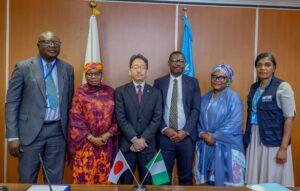
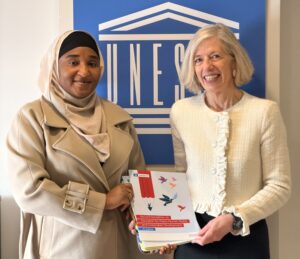
Nigeria consistently plays an active role in shaping the global education, science, culture, and information agenda through:
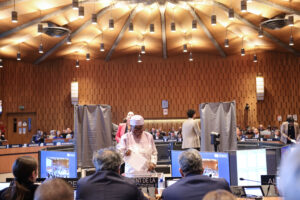
- Leadership interventions during plenary debates
- Participation in commissions and drafting groups
- Advocacy for Africa’s development priorities
- Building partnerships in line with the Federal Government’s Renewed Hope Agenda
A Platform for Global Vision and Collective Action
The decisions adopted at the General Conference guide UNESCO’s work worldwide, ensuring that its programmes remain relevant, innovative, and responsive to global challenges. As a committed Member State, Nigeria continues to support UNESCO’s mission to build peace, promote sustainable development, and foster mutual understanding through education, science, culture, and communication.
Photo cc @UNESCO