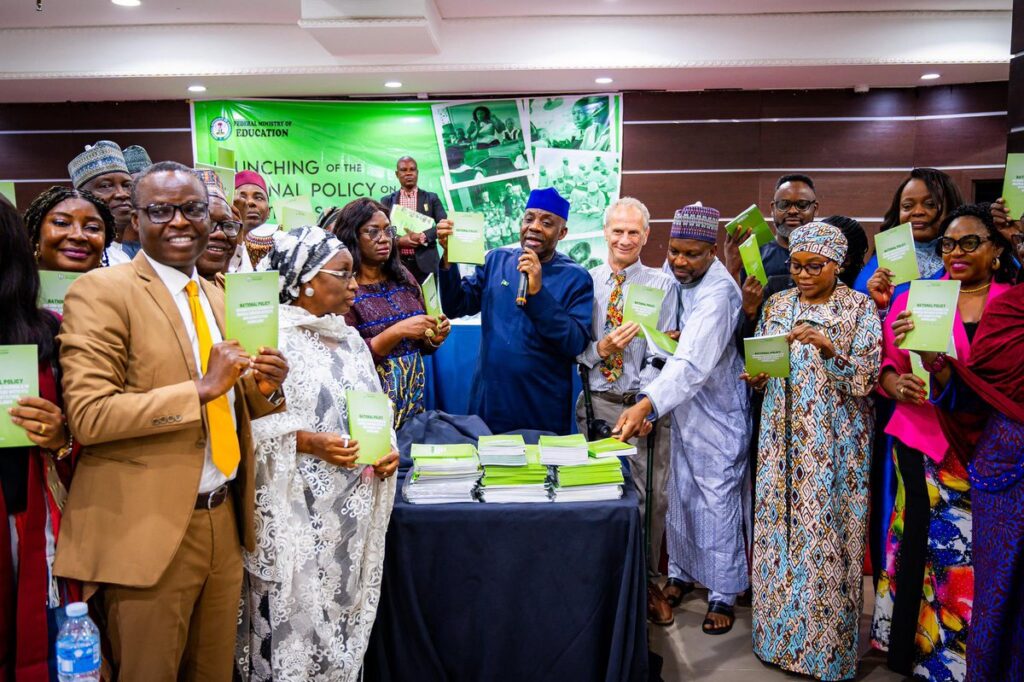
Education remains a central pillar of Nigeria’s national development, reinforced by the Federal Government’s Renewed Hope Agenda, which prioritizes quality, inclusion, digital innovation, foundational learning, and stronger institutional systems. Nigeria continues to advance toward SDG 4, ensuring that all learners have access to equitable, relevant, and future-ready education.
National Priorities & Recent Reforms
The Government has introduced several flagship reforms to modernize and strengthen the education system, including:
HOPE-EDU
A comprehensive programme designed to improve learning outcomes, expand equitable access, upgrade school infrastructure, and strengthen basic education nationwide.
Digital Transformation of Schools
- Deployment of smart classrooms and virtual learning facilities
- Large-scale teacher training in ICT and artificial intelligence
- Integration of coding, robotics, and digital literacy into school curricula
- Expansion of broadband connectivity to public schools
Skills for the Future
- Strategic partnerships with global tech institutions (including AWS, Cisco, Google, and Huawei)
- Digital, cloud, and innovation skills programmes for teachers and students
- Expansion of entrepreneurship, innovation labs, and job-readiness initiatives
Education Sector Renewal (2024–2027)
A structured roadmap focusing on:
- Governance and accountability
- Teacher development and workforce motivation
- Foundational learning and remedial education
- Quality assurance and data-driven planning
- Revitalization of Technical and Vocational Education and Training (TVET)
- Sustainable financing and improved resource management
Strengthening Foundational Learning
- Implementation of the Nigeria Learning Passport
- National assessments to track literacy and numeracy gains
- Early-grade reading and mother tongue-based education in pilot states
Support for Out-of-School Children
- Expansion of the Alternate School Programme (ASP)
- Community learning hubs and safe learning spaces
- Reintegration programmes for displaced and vulnerable children
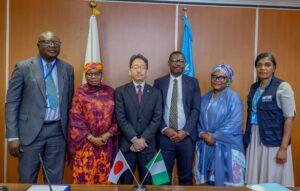
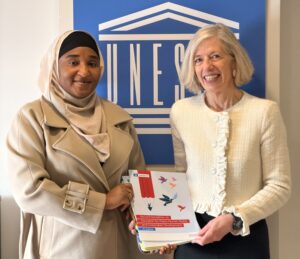
UNESCO–Nigeria Cooperation
Nigeria maintains a strong partnership with UNESCO through technical assistance, capacity-building, policy guidance, and coordinated sector support. Key areas of collaboration include:
- Digital innovation and learning transformation
- Teacher competencies and continuous professional development
- Institutional strengthening, monitoring, and evaluation
- Literacy and youth skills development
- Girls’ education, gender equality, and safe learning environments
- Resource mobilization and evidence-based sector planning
A Strengthened Focus on Inclusive and Future-Ready Education
Through sustained reforms, digital innovation, and strengthened global partnerships, Nigeria is working toward an education system that is:
- Inclusive and equitable
- Digitally empowered
- Skills-driven and innovation-focused
- Resilient, safe, and learner-centered
- Globally competitive and aligned with emerging labour markets
The partnership between Nigeria and UNESCO continues to play a vital role in advancing these priorities and ensuring that education remains a catalyst for national renewal, social cohesion, and sustainable development.