Photo©️ UNESCO/Maxime MICHEL
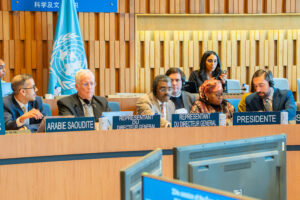
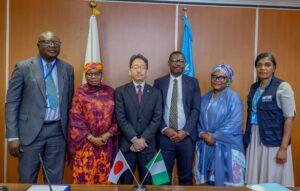
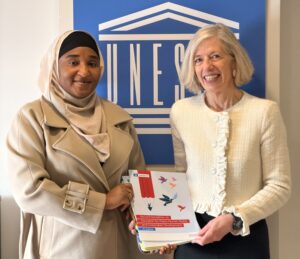
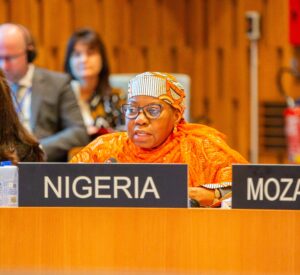
At the 224th session of the Executive Board of UNESCO, Nigeria reaffirmed its strong commitment to advancing the Organization’s mandate and strengthening multilateral cooperation across education, the sciences, culture, and communication & information.
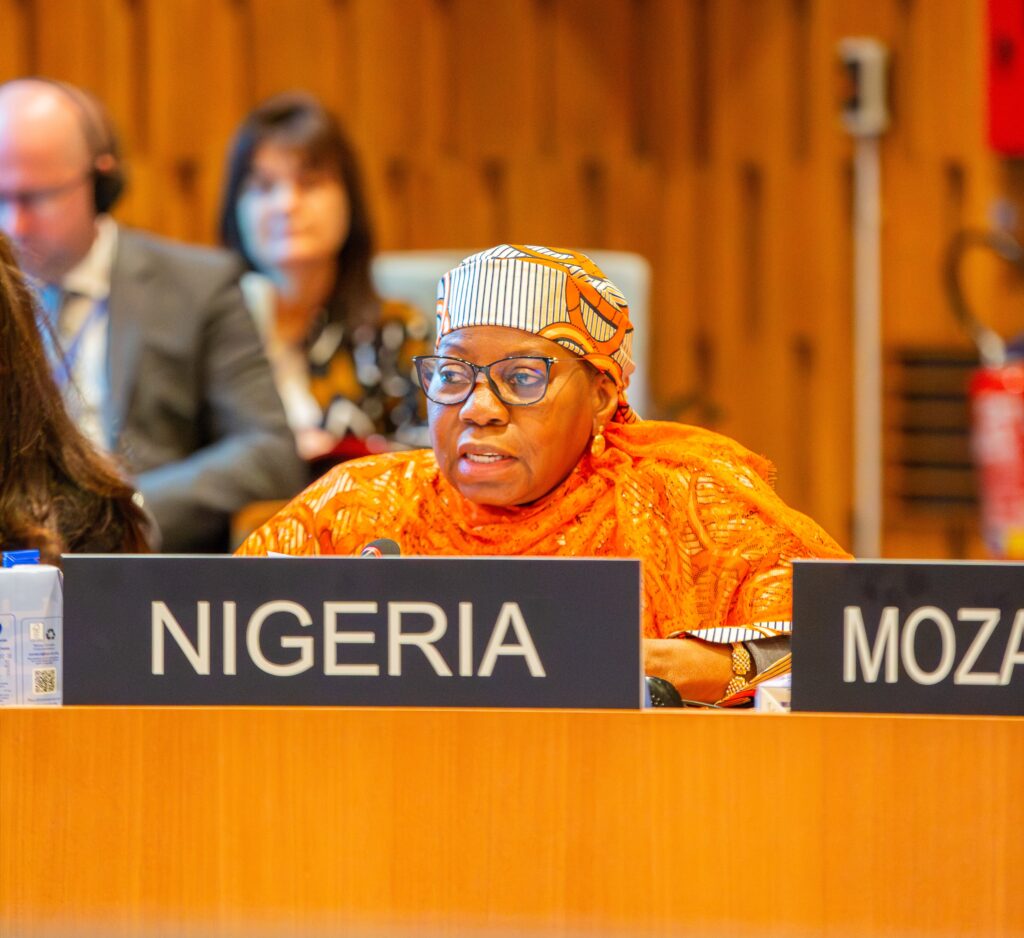
Delivering Nigeria’s National Statement during the General Policy Debate, H. E. Dr. Hajo Sani, OON, Ambassador and Permanent Delegate of Nigeria to UNESCO, emphasized that the current session comes at a defining moment for the Organization as it continues to navigate institutional reforms and financial constraints while maintaining programme delivery across its priority areas.
Nigeria commended the Director-General and the Secretariat for sustaining implementation of the approved Programme and Budget despite financial challenges and welcomed the continued focus on Global Priority Africa as central to addressing structural inequalities and advancing sustainable development across the continent. At the same time, Nigeria underscored the importance of ensuring predictable and sustainable financing for UNESCO’s activities, noting that voluntary contributions alone cannot guarantee effective programme delivery.
The statement also highlighted Nigeria’s support for the ongoing UNESCO 80 reform process, stressing that reforms must remain Member State-driven, transparent, and balanced, while preserving the Organization’s core mandate. Nigeria emphasized the importance of strengthening the field network, particularly in Africa, enhancing intersectoral cooperation, improving digital management tools, and ensuring that reform efforts translate into measurable impact at country level.
Nigeria further welcomed the Revised Draft Programme and Budget for 2026–2027 (43 C/5), noting efforts to align programme priorities with available resources and encouraging the use of supplementary funding mechanisms in ways that reinforce long-term institutional resilience.
During the intervention, Nigeria also outlined key national initiatives undertaken since the previous session of the Executive Board. These include ongoing reforms to improve access to quality education, strengthen teacher training, expand technical and vocational education, and support youth skills development. The Government’s student loan initiative under NELFUND has already reached more than 1.3 million beneficiaries, alongside complementary programmes such as curriculum renewal for basic education, higher education book development interventions, and student innovation grants through the Student Venture Capital Grant scheme.
Nigeria also reported progress in strengthening its engagement in climate action, water management, and science education, including the formal inauguration of the National Committee for the International Geoscience and Geoparks Programme (IGGP). This milestone marks the country’s transition into a structured implementation phase focused on institutional coordination, scientific participation, and geopark development.
In the culture sector, Nigeria reaffirmed its commitment to safeguarding cultural heritage, combating illicit trafficking of cultural property, and supporting the growth of the creative economy.
Nigeria further highlighted continued efforts to promote freedom of expression, media development, and information literacy, while addressing emerging challenges linked to disinformation and digital transformation. In this regard, the Delegation welcomed the approval by the 43rd session of the General Conference of the establishment of the International Media and Information Literacy Institute (IMILI) in Abuja and announced the official launch of the Institute scheduled for 29 April 2026, which will serve as a global hub for capacity-building, research, and international cooperation in media and information literacy.
In closing, Nigeria reaffirmed its firm commitment to UNESCO’s mandate and called on Member States to continue working collectively to strengthen the Organization, secure its financial sustainability, and enhance its capacity to deliver tangible results worldwide